

Most couples don’t struggle because they never talk. In fact, you talk everyday, share your schedules, discuss what’s for dinner, maybe even laugh together over something silly your dog did. But when it comes to the conversations that actually matter — the ones where you need to feel heard, understood, or emotionally connected — something always goes wrong.
You both talk a lot. But instead of feeling understood, one of you shuts down and the other gets defensive. Words get twisted. Feelings get hurt. And before you know it, you’re both wondering how a simple conversation turned into another argument you can’t seem to resolve — a situation where you discuss the same issue again and again, yet nothing changes.
Here’s the truth: most relationship conflicts don’t come from a lack of love. Rather, they come from common communication problems that quietly shape how partners listen, react, and respond to each other. These patterns are so subtle, so normalized, that many couples don’t even realize they’re stuck in them until the emotional distance becomes impossible to ignore.
This article will help you recognize the patterns that keep conversations going bad — and show you what needs to change if you want communication to feel safer, clearer, and more connected.
What Are Common Communication Problems In Relationships?
More often, they’re the small, everyday habits that erode intimacy over time. Think of the eye roll during a disagreement, the sigh of frustration when your partner brings up the same issue again, or the silence that stretches too long after a fight.
Interestingly, these problems are rarely about logic. That is, you’re not failing to communicate because you don’t know the right words, but because you let your emotions get in the way. You and your partner can hear the same words yet walk away with very different meanings. Why? Because Fear, shame, past hurt, and unmet needs shape how those words land.
The damaging part of these habits is their cumulative effect. Small behaviors, repeated over time, can turn into a long-term conflict. For instance, one dismissive comment might not ruin your relationship, but hundreds of them over months or years? That’s how resentment grows. And that’s also how partners who once felt close begin to feel like strangers living in the same house.
The first of these common communication problems in relationships is this:
1. You Listen to Respond, Not to Understand
In other words, you do what is called defensive listening. When your partner is talking, are you really listening — or are you just waiting for your turn to speak?
Instead of truly hearing your partner, you:
- Prepare your response while they’re still talking
- Interrupt to correct details
- Focus on proving your point
However, here’s the thing: when listening becomes about responding, you only hear their words and not their emotions. And when that happens, your partner can feel it — that you’re not truly present, that you’re more interested in defending yourself than connecting with them. Even if your words make sense, the moment feels unsafe. This could stop them from opening up in future conversations. Why? Well, because they learn that doing so leads to being corrected, dismissed, or argued with. So they close off, and the emotional distance between you grows even wider.

A linguistically focused guide to understanding how differences in conversational habits can lead to misunderstanding — great for couples who keep tripping over meanings.
2. You Avoid Hard Conversations Until They Explode
“I don’t want to start a fight” is one of the most common reasons couples give for avoiding difficult conversations. It sounds reasonable, even considerate. Indeed, avoidance often looks peaceful on the surface. But it doesn’t keep the peace — underneath, it creates emotional distance and only delays the inevitable.
Every time you bite your tongue about something that bothers you, every time you tell yourself “it’s not worth it” or “maybe it’ll get better on its own,” you’re adding weight to an invisible burden you’re both carrying. That weight doesn’t disappear; instead, it builds. And then one fateful day, something so small becomes the trigger that lets out months or years of accumulated resentment.
Many couples avoid conflict because they want to “keep the peace.” But avoiding hard conversations usually makes communication worse, not better. For instance, it prevents genuine intimacy. When you can’t talk about what’s really bothering you, you start to feel alone in your relationship. You begin to wonder if your partner even knows you anymore. And they’re probably wondering the same thing about you.
The irony is that trying to “keep the peace” often creates more conflict in the long run, because unresolved issues don’t stay buried — they resurface louder, angrier, and harder to manage.
3. You Assume Intent Instead of Asking Questions
Assumptions are silent relationship killers. Here are a couple of examples: your partner comes home late without texting, and you assume they don’t care about your time. They seem quiet during dinner, and you assume they’re mad at you. They make a comment about your weekend plans, and you assume they’re trying to control you.
In other words, you assume:
- their tone means disrespect
- their silence means they don’t care
- their words have hidden meaning
This kind of mind-reading fills gaps with fear instead of facts, and it’s almost always wrong.
When you jump to conclusions about your partner’s tone, motives, or meaning without actually asking them, you’re responding to a story you created in your head — not to reality. This fuels misunderstanding and turns neutral moments into conflict, like putting words into their mouth and then getting mad about those imagined words.
Let’s look at it another way. It could be that your partner’s silence may have nothing to do with you, their late arrival may have been innocent, and their comment may have been a genuine question and not a criticism. But because you’ve decided on what they meant, you interact with them as if your assumptions are facts.
Assumptions always feels true, and the reason for that is because your brain fills in the gaps with past experiences, fears, and worst-case scenarios. However, it’s important to understand that clarity is always kinder than assumption — and far more accurate.
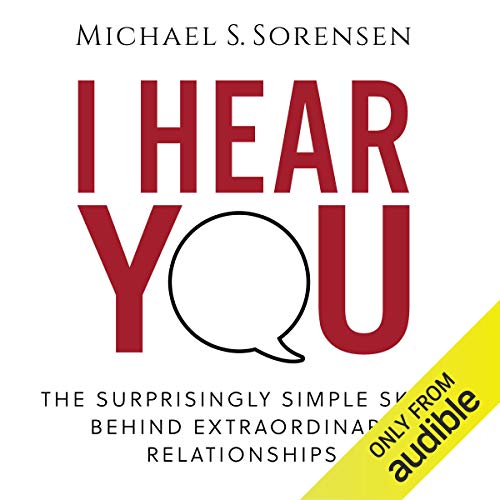
Highly reviewed and recommended, this book focuses on empathy and validation — core skills that help partners feel truly heard and understood, reducing defensiveness and conflict.
4. You Use Criticism Instead of Expressing Needs
There’s a big difference between a complaint and criticism. How? A complaint focuses on a specific behavior. It might sound like: “I feel overwhelmed and need more help,” or, “I felt hurt when you didn’t call to say you’d be late.” Do you see how those statements express your needs?
Criticism, on the other hand, attacks character. It might sound like: “You never help. You’re so lazy,” or, “You’re so inconsiderate. You never think about anyone but yourself.” However, there’s a reason this happens, and that’s when you’re frustrated or hurt. During such moments, it’s easy to slip into blame, whereby your unmet needs often come out as harsh words because you don’t know how to express vulnerability without it feeling like weakness. So instead of saying, “I need more quality time with you,” it turns into, “You’re always on your phone and never pay attention to me.”
The problem is that blame triggers defensiveness. Your partner focuses on protecting themselves instead of understanding you. Rather than solving the real issue, you both end up arguing over who the bad person is.
It’s understandable that many harsh words are actually the result of unmet needs like attention, respect, support, and connection. But when those need are wrapped in blame and character attacks, they get lost in the conflict. When they’re expressed clearly, communication becomes less combative and more productive.
Related article: How to Prioritize Wants and Needs in Your Relationship
5. You Shut Down or Stonewall During Conflict
While staying calm in a conversation is healthy, going completely silent is never an ideal approach. If you’re the type who withdraws, shuts down, completely checks out during conflict, you might think you’re protecting the relationship from escalation. In reality, emotional withdrawal can be just as damaging as yelling.
Stonewalling — refusing to engage, giving the silent treatment, offering one-word answers, avoiding eye contact, leaving conversations unfinished, or emotionally removing yourself from the discussion — does nothing but create a wall your partner can’t climb over. Stonewalling might feel like the only way to cope. But what feels like self-protection to you feels like rejection and punishment to your partner. They’re left feeling abandoned mid-conflict, powerless to resolve anything, and increasingly desperate to get through to you. And this doesn’t come without consequences.
Over time, stonewalling damages trust and emotional safety in the relationship. It sends the message that your partner can’t count on you to work through hard things together and that their emotions are unwelcome — which is the opposite of what a healthy relationship needs.
6. You Fight to Win Instead of Trying to Connect
When arguments become about winning, intimacy dies. If your goal during a conversation is to prove you’re right, get your partner to admit they’re wrong, or score points by bringing up past mistakes, you’ve subconsciously turned communication into a power struggle. Someone may “win” the argument — but the relationship loses closeness.
What this also does is cause both of you to stop listening to understand and start listening to find flaws in each other’s words. You bring up old grievances just to strengthen your case or refuse to apologize or compromise because doing so would feel like admitting to defeat. But there’s a cost to this.
Emotional safety, trust, respect, and your partner’s willingness to be vulnerable with you in the future will all be gone. And why is it so? When someone feels like they have to defend themselves against you instead of working with you, they start building walls to protect themselves from the next attack.
In short, if your goal is to win, your partner becomes the enemy. But if your goal is to connect, the problem becomes the focus — not each other.
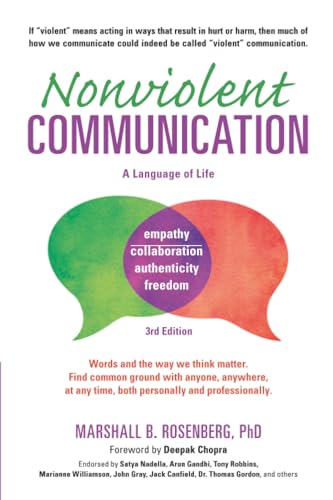
A classic and widely praised book that teaches gentle, honest communication without blame — ideal for couples who struggle with criticism and misunderstandings.
Related article: The 10 qualities found in every good marriage
7. You Communicate Based on Fear, Not Honesty
Fear is one of the most powerful barriers to honest communication in relationships — fear of rejection, conflict, abandonment, and of being too much or not enough. These fears shape communication more than most people realize.
When fear runs the conversation, honesty feels too risky. So instead of saying what you really feel or need, you hedge. You use passive-aggressive comments instead of direct requests, agree to things you don’t actually want to avoid conflict, and hide your true feelings behind a smile and then insist everything is fine when it clearly isn’t. Sure, this may create short-term peace, but it comes at the expense of intimacy in the long run.
Here’s another downside: your partner can’t meet your needs if you won’t tell them what those needs are. That gap often leads to frustration. The goal of the relationship shouldn’t be simply to coexist but to connect with each other on a deeper level.
8. Past Hurt Is Still Driving Present Conversations
Have you ever noticed yourself overreacting to something small, only to realize later that your response had very little to do with the current situation? That right there is unresolved pain hijacking the present moment.
When past wounds haven’t been healed — whether from this relationship or previous ones — they bleed into every new conversation. For instance, a comment that feels dismissive may trigger the memory of being ignored by a parent. A disagreement about money may as well trigger old fears about financial instability. Your partner’s forgetfulness reminds you of an ex who never prioritized you.
These emotional triggers create overreactions that confuse both of you. It could come from your partner saying or doing something that seems relatively minor, yet you’re suddenly flooded with anger, hurt, or panic that doesn’t align with the moment. They don’t understand why you’re so upset, and you can’t always explain it because the pain comes from deeper wounds.
Until you address these old wounds — through honest conversations, therapy, or intentional healing practices — they’ll continue to distort your communication.
9. You Expect Your Partner to Read Your Mind
“If they really loved me, they would just know.” Unfortunately, they won’t. That’s a fact. And you know why? Because they aren’t mind readers.
You assume your partner should “just know” what you need, understand your unspoken requirements, and know exactly what you want without you having to say it out loud. When they don’t meet those expectations, you feel disappointed, hurt, or angry — even though nothing was said.
Mind-reading expectations are unfair and unrealistic. They set your relationship up for failure. However, the cause of this often comes from a place of fear — fear that asking directly makes you seem too needy, or fear that if they don’t “just know,” it means they don’t really care.
Instead of assuming, be clear and specific about your needs. This gives your partner the information they need to love you well.
How These Communication Problems Slowly Damage Relationships
Loss of emotional safety
When communication feels risky, people just stop being vulnerable. In other words, when either of you knows that bringing up a concern will only lead to defensiveness, criticism, or withdrawal, you stop feeling safe to voice your true feelings. Emotional safety is the foundation of intimacy, and without it, partners may begin to protect themselves rather than open up to each other.
You begin to censor yourself, hide parts of your inner world, and keep your true feelings locked away. The relationship turns into a place where you have to watch what you say, rather than one where you can freely and respectfully express yourself. And over time, that absence of safety leads to deep loneliness, even when you’re sitting right next to each other.
Increased misunderstandings and emotional distance
Every small unresolved misunderstandings pile up, where one conversation goes badly, then another, then another. Eventually, you’re no longer dealing with individual conflicts; you’re now dealing with a pattern of disconnection that feels impossible to break. With what effect?
You start assuming the worst about each other, interpret neutral comments as attacks, and stop giving each other the benefit of the doubt. The emotional distance grows so wide that even simple conversations feel like a burden, and the closeness you once shared feels like a distant memory.
Resentment
Resentment is what happens when unspoken needs and unresolved issues turn into bitterness that slowly poisons the relationship, making it nearly impossible to see your partner with love and generosity.
Once resentment takes root, it affects how you interpret their actions, respond to their attempts at connecting with you, and whether you’re even willing to work on the relationship anymore. It’s one of the most dangerous consequences of poor communication because it erodes the goodwill that holds couples together through hard times.
How to Start Fixing Common Communication Problems In Your Relationship
Slowing down conversations
When emotions run high, we tend to speed up — talking faster, interrupting more often, and reacting instantly. To counter this, here’s a simple trick you can try: let your partner finish their thoughts completely before you jump in, pause to process what they’re really saying instead of what you think they’re saying before responding, and, if possible, take breaks when emotions rise. Slowing down creates space for understanding.

Learning to express feelings without blame
Use “I feel” statements. Instead of “you never help around the house,” try “I feel overwhelmed when I’m managing most of the household tasks alone, and I need more support.”
This isn’t just about going easy with your tone — it’s also about taking responsibility for your emotions and needs while gracefully inviting your partner into helping you rather than triggering their defense system. It transforms criticism into vulnerability, and that is what opens the door to real change.
Listening with curiosity instead of defense
Here’s what I want you to try: the next time your partner brings up a concern, challenge yourself to get curious instead of defensive. Asks questions. Stay present and try to understand their perspective, even if you disagree. Respond with “Help me understand what you’re feeling” instead of “That’s not what happened.” Why is this important?
For one thing, curiosity defuses tension and creates safety. When your partner feels like you’re genuinely trying to understand them rather than prove them wrong, they’re more likely to soften, be reasonable, and meet you halfway.
Creating space for repair after conflict
Not every fight will resolve perfectly in the moment. Sometimes you both need time to cool down, reflect, or gather your thoughts. But what matters is that you come back to repair. You check in, acknowledge any hurt you caused, and reconnect emotionally before moving forward. These attempts signal that the relationship matters more than being right.
Conclusion
Communication problems are common — and fixable.
Every couple struggles at times. Just because you genuinely love each other and want things to work doesn’t automatically mean things won’t go wrong. What matters is noticing patterns and choosing to respond differently. Progress comes from awareness, not perfection.
Start small. You can pick one of the nine patterns listed in the article that you know you fall into and commit to trying something different the next time it comes up. For instance, notice when you’re listening to respond instead of understanding. Catch yourself mid-assumption and ask a clarifying question. Respectfully speak up about something small before it becomes too big to discuss.
Your relationship has what it takes to feel different — more connected, more honest, and more emotionally safe. But it requires both of you to be willing to see your patterns clearly and choose something new. Reflect on what showed up for you in this article. Which communication problem hit closest to home? And what’s one thing you could try differently in your next conversation with your partner? With intention, patience, and practice, communication can become a place of connection instead of conflict.